Deposition Readiness: Preparing Witnesses for Clear and Credible Testimony


 email to a friend
 About This Course
Preparing a witness for deposition is a critical component of an effective litigation strategy. It requires a strong grasp of the facts and issues in the case, the applicable rules of evidence, and the dynamics of human behavior. While a witness must always testify truthfully, counsel also has an obligation to ensure that the witness is not unfairly disadvantaged or overwhelmed in an unfamiliar and often high-pressure environment. This program will offer practical guidance on how to properly prepare a witness to testify clearly and confidently, while guarding against improper questioning tactics and evidentiary shortcuts by opposing counsel.
Attendees will learn how to educate witnesses about the deposition process so they understand what to expect and are not surprised or intimidated during testimony. The program will also address strategies for preparing witnesses to handle documents effectively and recognize common questioning techniques that elicit unintended or overbroad answers. In addition, participants will gain insight into best practices for attorney conduct during preparation and deposition, including how to provide appropriate instructions, make timely objections, and avoid common pitfalls that can undermine witness testimony.
This program is designed for attorneys of all experience levels who seek to strengthen their deposition skills and improve witness preparation techniques.
Learning Objectives:
- Building witness confidence and case understanding, as properly preparing a witness to testify as a representative of an entity under Rule 30(b)(6), is also an important skill.
- Prepare witnesses to handle documents properly and to separate recollection from what is in a document.
- Review the rules of evidence applicable to a witness’s recollection, refreshed recollection, hearsay, and hearsay exceptions.
- Develop strong communication control under questioning to adapt to the witness.
- Apply strategic, balanced preparation to avoid common mistakes lawyers make during preparation and deposition.
About the Presenters
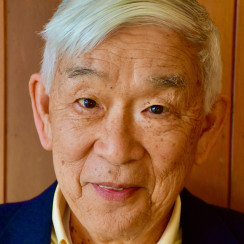
Christopher K. Hu, Esq.
Christopher K. Hu, Esq.
Practice Area: Intellectual Property
Retired in 2022 after a 47-year career practicing almost exclusively in intellectual property litigation, primarily patent litigation but also including trade secrets, trademarks and copyrights. Practice included cases in federal district courts around the country as well as in appellate courts. Cases involved a wide...
View Details